
الاسم العلمي
Philodendron spp.
الاسم الشائع
فيلوديندرون – Philodendron
التصنيف العلمي
المملكة: النباتات (Plantae)
الشعبة: كاسيات البذور (Angiosperms)
الفئة: أحاديات الفلقة (Monocots)
الرتبة: القلقاسيات (Alismatales)
الفصيلة: القلقاسية (Araceae)
الجنس: Philodendron
وصف نبات فيلوديندرون
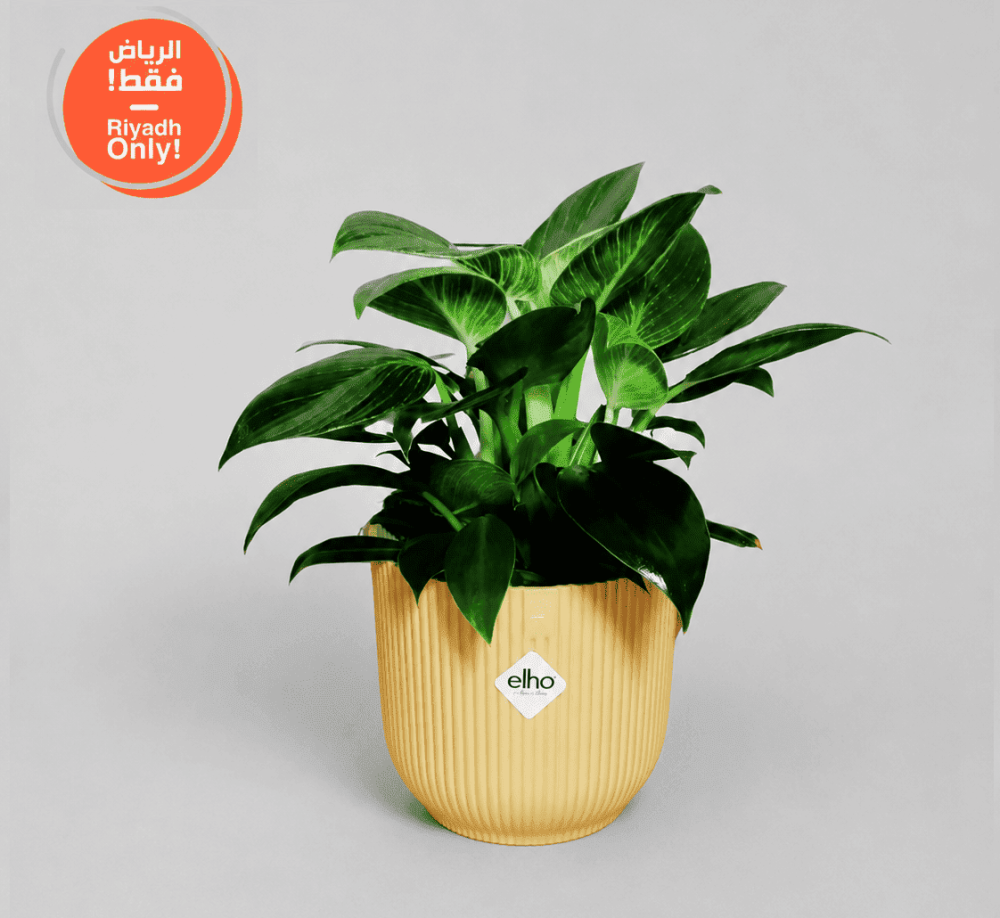
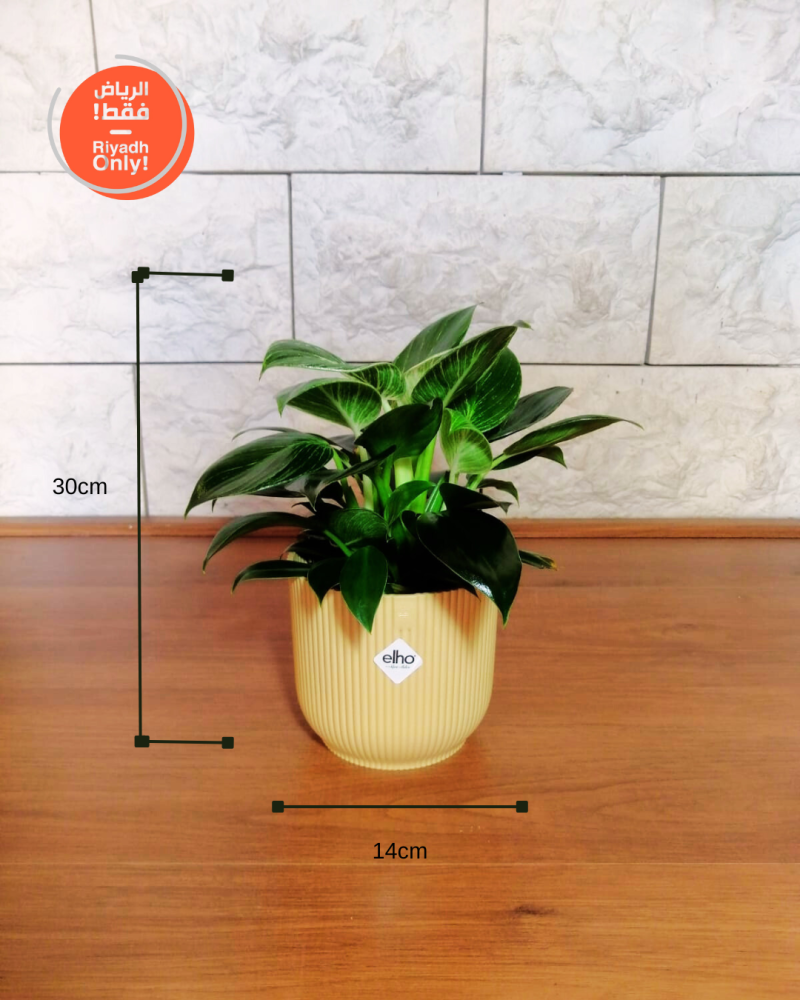
نبات الفيلوديندرون من أشهر وأجمل نباتات الزينة الداخلية، يتميز بأوراقه الكبيرة الجذابة التي تأتي بأشكال وأحجام متعددة، منها القلبي والمفصص والطولي. ألوانه تتراوح بين الأخضر الفاتح، الأخضر الداكن، وأحيانًا المائل للفضي أو المخطط.
يُعرف بسهولة العناية به وقدرته العالية على التكيف، مما يجعله خيارًا مثاليًا للمنازل والمكاتب.
مميزات نبات فيلوديندرون
- سهل العناية ومناسب للمبتدئين
- يضيف لمسة جمالية استوائية للمكان
- يتحمل الإضاءة المتوسطة والمنخفضة
- يساعد في تحسين جودة الهواء
- متوفر بأنواع متسلقة وقائمة
طريقة العناية بنبات فيلوديندرون
الإضاءة
يفضل الضوء الساطع غير المباشر، ويتحمل الإضاءة المتوسطة. يجب تجنب أشعة الشمس المباشرة لأنها قد تحرق الأوراق.
الري
يُروى عند جفاف أول 3–5 سم من التربة. الإفراط في الري قد يؤدي إلى تعفن الجذور.
التربة
تربة خفيفة جيدة التصريف، ويفضل خليط البيتموس مع البيرلايت.
درجة الحرارة
ينمو بشكل مثالي في درجات حرارة بين 18–28° مئوية.
الرطوبة
يفضل الرطوبة المتوسطة إلى العالية، ويمكن رش الأوراق برذاذ ماء خفيف.
التسميد
يُسمّد مرة كل 3–4 أسابيع خلال فصلي الربيع والصيف بسماد سائل متوازن.
تكاثر نبات فيلوديندرون
يمكن إكثاره بسهولة عن طريق:
العقل الساقية في الماء
العقل الساقية في التربة
استخدامات نبات فيلوديندرون
- تزيين غرف المعيشة والمكاتب
- مناسب للرفوف والنباتات المتدلية
- مثالي للديكور العصري والطبيعي
تحذيرات وملاحظات
- النبات سام بشكل خفيف للحيوانات الأليفة عند المضغ
- يُفضل إبعاده عن متناول الأطفال
نبات فيلوديندرون جمال استوائي أنيق يمنح منزلك إحساسًا بالانتعاش والحيوية بأقل مجهود في العناية